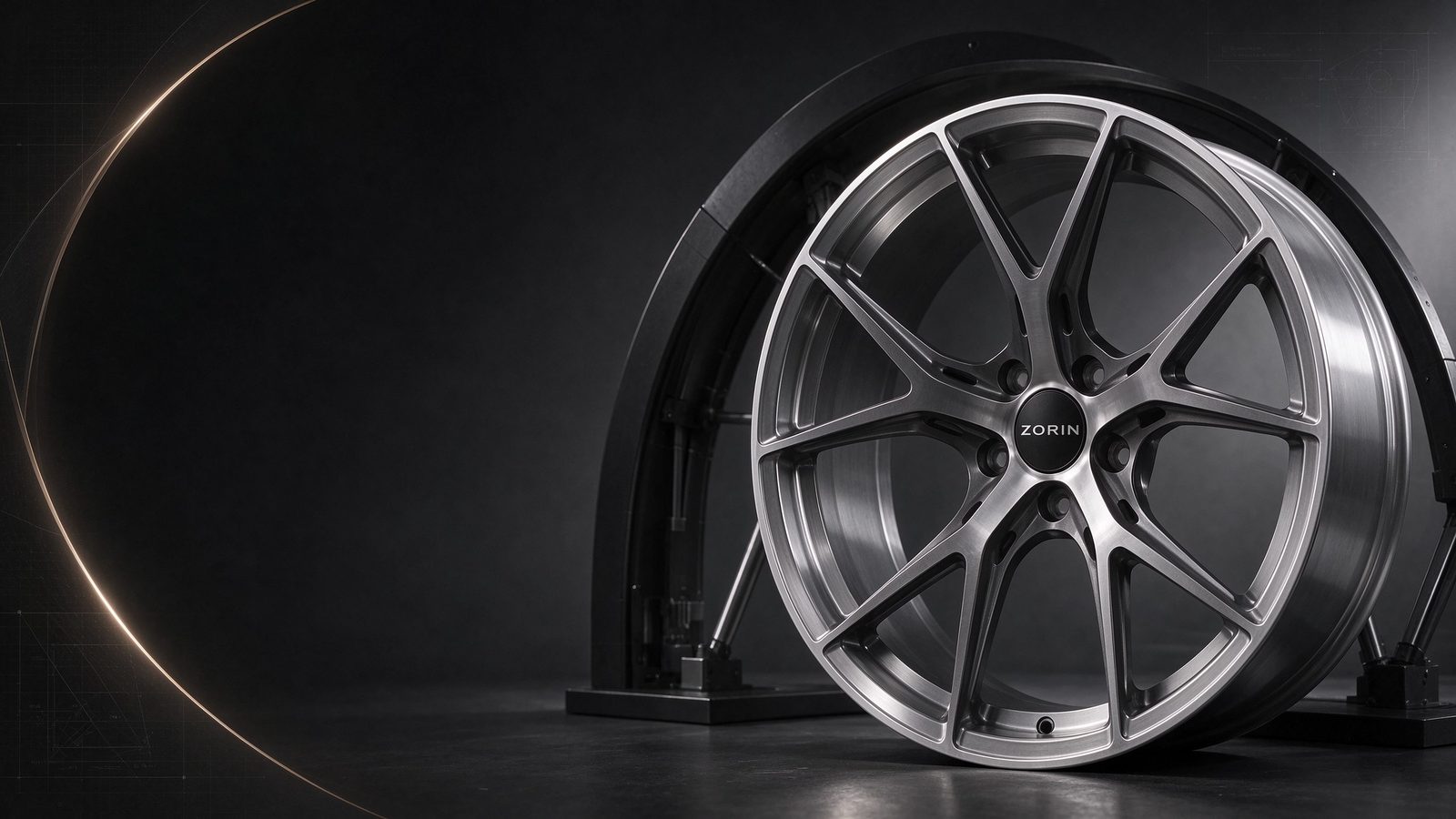
CUSTOM FITMENT QUERY
Provide your vehicle and wheel requirements — we confirm fitment before production.
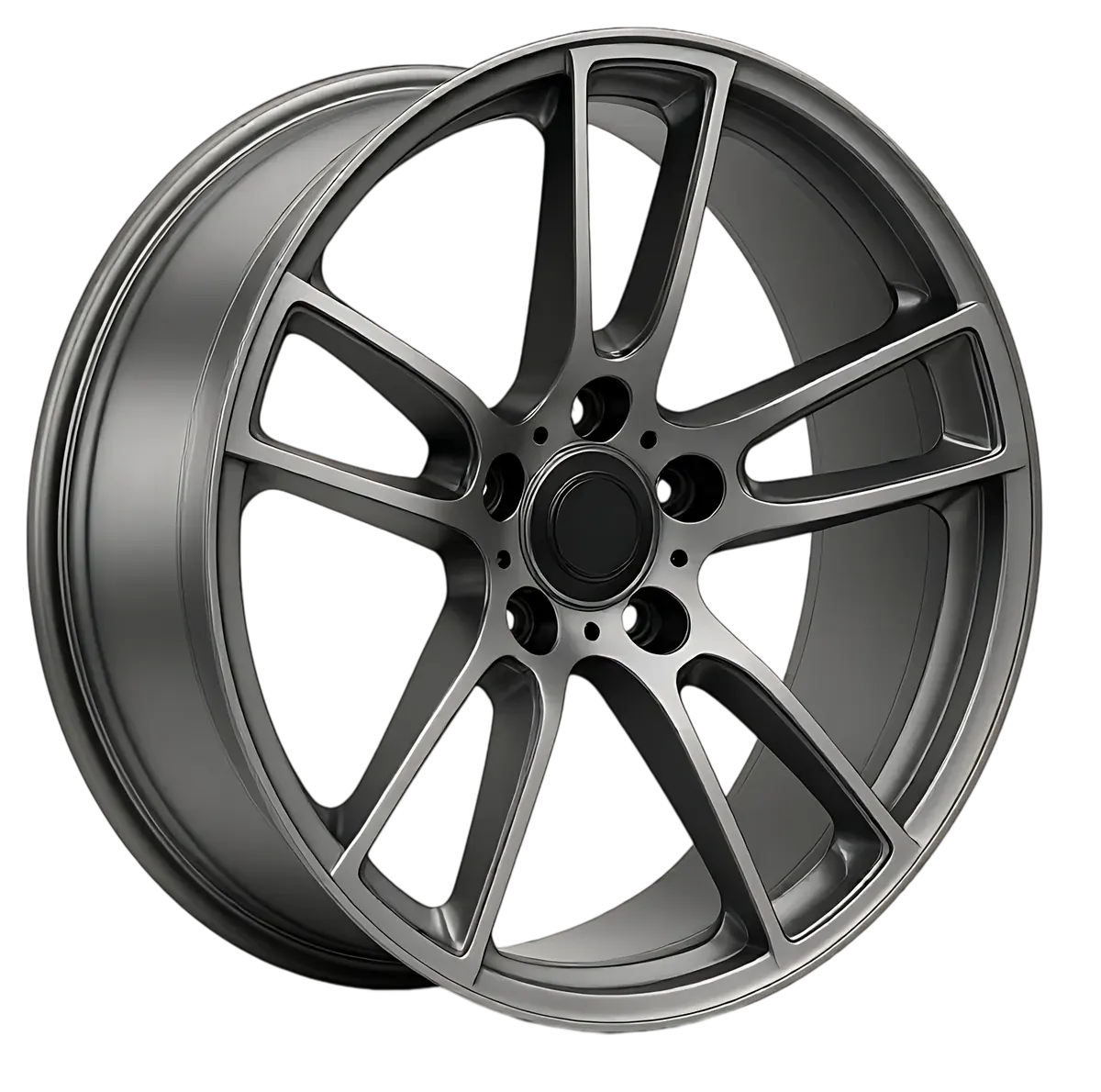
Provide your vehicle and wheel requirements — we confirm fitment before production.
Share your vehicle model, generation and current setup.
Enter size, PCD, ET, center bore and finish preferences.
We review clearance, load and fitment details before quoting.
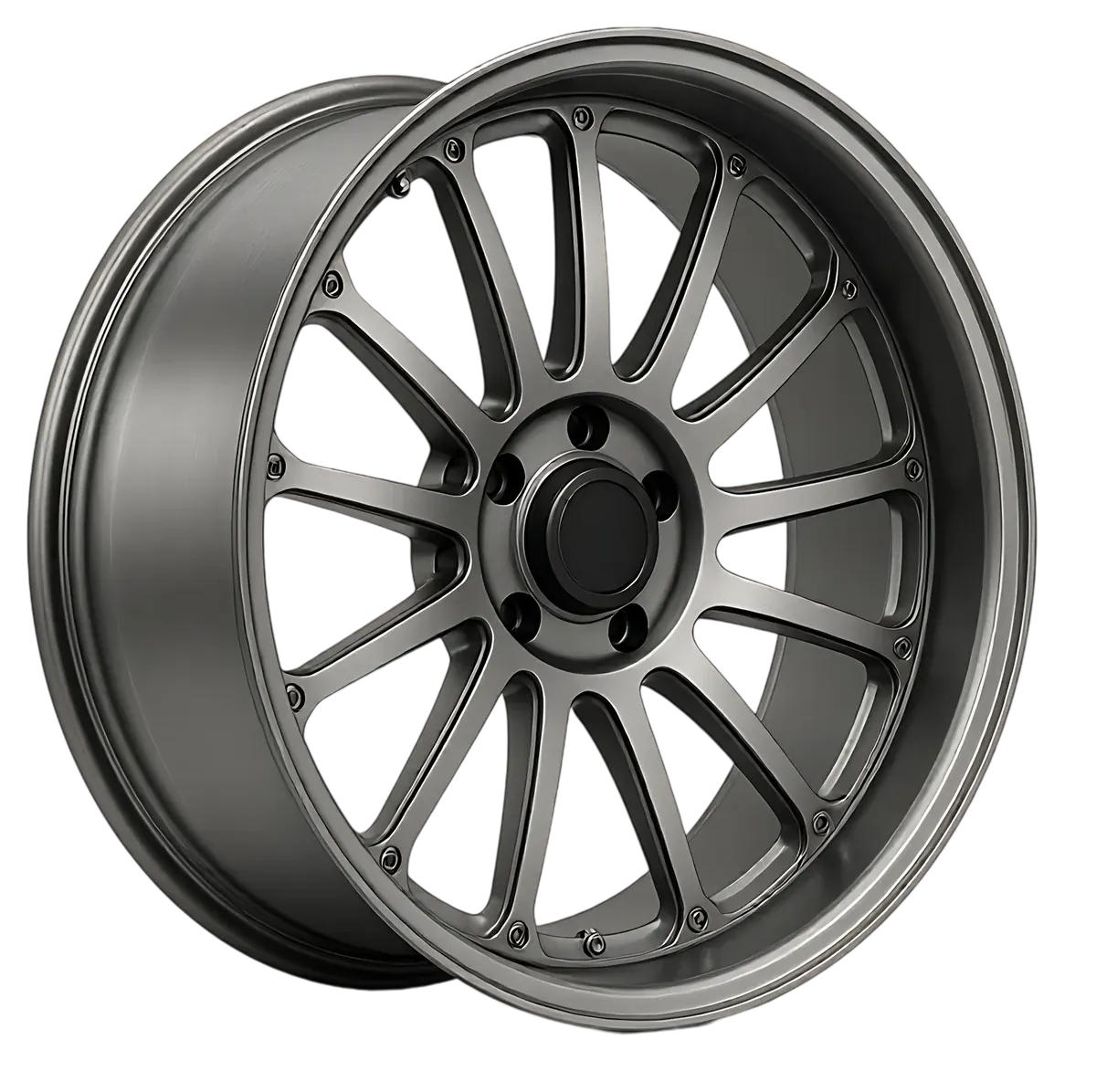
We verify wheel specifications against vehicle requirements, including clearance, offset, center bore and load considerations.
Holding data means the first reply is a confirmation rather than a list of questions. Everything else we check by hand — usually within twelve working hours.
Bolt pattern and thread — a mismatch is not adjustable.
Hub diameter; rings are a symptom, not a fix.
Clears the strut inside and the arch outside — trim by trim.
Tyre stretch, scrub radius and inner clearance.
Spoke profile against caliper — big brake kits change this.
Per wheel, matched to the vehicle's gross weight.
The same model can differ by trim, brake package and market. A number that fits one car can sit inside the arch on another.
Spoke profile matters as much as offset. A flat face can hit a caliper that a concave design clears easily.
Centring rings hide a wrong bore at walking pace and vibrate at speed. We cut the bore to the hub.
Yes. Send the vehicle and we look it up. The form asks for those numbers because it saves a round trip, not because you need to know them.
Within twelve working hours for the fifteen platforms we hold data for. Anything else is usually a day, because we check by hand.
No. We make and ship them; fitting is done by you or your local shop. We provide the specification your fitter needs.
That is what the drawing stage is for. Nothing is cut until you approve a drawing that carries the measurements we confirmed.
Yes. Four wheels, sizes may be mixed front and rear.